Having money problems? Maybe it’s your daily money-wasting habits that are causing financial troubles.
You may be careful with cash. But if you have sneaky spending habits, they can rob you of the chance to build wealth. It’s not always about splurging on big things. Even little choices can add up fast if you aren’t careful.
So, ready to find out how to stop bad spending habits before they drain your savings? But first, it’s important to identify which habits are costing you.
How to Spot a Money-Wasting Habit
The worst part about bad financial habits is that they don’t always scream “bad spending”. Instead, they sneak in quietly. For instance, you may spend money on everyday little treats you think you deserve.
The trick to spotting them? Pay attention to the things you do almost automatically. They are small actions that don’t feel like big expenses but happen daily.
Think about how often you pull out your phone only to end up browsing an e-commerce app and buying something. If these habits happen without much thought, they may be costing you more than you realize.
Another clue lies in your bank statement. Are there tiny charges that seem harmless? But add them all, and the total is a big number? Then these are the expenses you need to reduce.
Some spending is worth it. It adds value and improves your life. But if you are spending out of boredom, it’s not good.
Another way to identify these habits is to notice how you feel after spending. Does it leave you stressed and guilty? It may be a waste of your hard-earned money.

It’s important to recognize these patterns. Then you’ll be able to control poor spending habits.
Poor Spending Habits You Need to Stop
Sometimes, you don’t realize how fast money slips away. Poor spending habits may seem harmless. But they chip away at your income.
Fortunately, we have good news for you. You can take control and overcome money-wasting habits. Do you want to know how to stop overspending? Then let’s take a look at 6 habits you need to change:
-
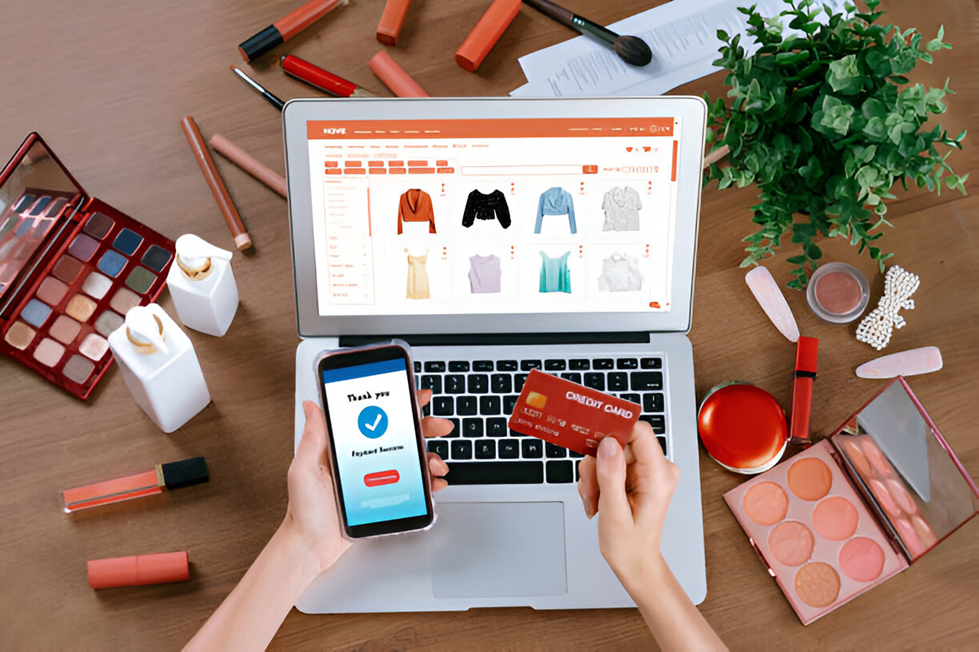
Impulsive Online Shopping
You open your smartphone to check a new message. And 15 minutes later, you’re deep in an online sale, adding random things to your cart. Sounds familiar?
Online retailers know exactly how to grab your attention. So, they give flash deals, special discounts that are only valid for an hour, and “only 2 items left in stock” offers. These special tactics often push you to buy items you don’t need.
The problem is that most of these purchases are driven by emotion. You may shop online out of boredom, stress, or a quick dopamine hit. These offers may seem like a good deal. But that’s not always true. If it wasn’t planned, it may be money you didn’t need to spend.
Do you want to break the cycle? It’s best to add items to your cart or wishlist and leave them there. Wait for 24-48 hours. If you still want the items and can afford them without guilt, you can place the order. Otherwise, let it go!
-
Excessive Take-Out Habit
Dining out or ordering takeout feels like a reward after a long day. Doing it occasionally is okay. But do you constantly find yourself on food delivery apps? Or do you stop at a fast food drive-thru too often? Then you are spending too much money.
A $15 meal a few times a week may not seem like much. But add it up over a month, and it becomes hundreds of dollars. That’s because you aren’t only paying for food. You also have to pay a delivery fee or pay for fuel if you drive yourself, tips, and sometimes inflated prices.
Cooking at home may sound like too much work. But you don’t have to prepare complicated recipes all the time. You can cook simple meals with easy ingredients. Or you can meal-prep every weekend and prepare quick meals after a busy workday.
This will help you save money and avoid wasting your hard-earned income.
-
Trend Trapped: Fashion FOMO
You see someone rocking a new look on Instagram. Suddenly, your wardrobe feels outdated. Or your friend bought a designer bag. Next day, you also want one to keep up with trends. So, you shop, again and again.
You spend your entire paycheck on branded items. But you still never feel satisfied.
Getting caught up in fashion trends is a money trap. You may constantly buy new clothes and accessories to keep up with what’s in.
Social media fuels this pressure. And so does brand obsession. You don’t need the latest designer drop or that viral accessory to look good. Instead, build a capsule wardrobe. You need classic, versatile items that you can mix and match.

Don’t blindly follow fashion influencers. Focus on your style. Your bank account will thank you for keeping your spending in check.
-
Buying Snacks on the Go
A few days, you make a quick pit stop for a coffee. Then you decide to buy a donut, sandwich, or snack. Before you know, it becomes a daily habit.
Small purchases feel like nothing at the time. But they’re sneaky budget-killers.
You don’t have to stop at a coffee shop or buy snacks from a vending machine every day. Spending $3 to $7 a day on quick snacks adds up fast. Over a month, that could mean $100–$200 on grab-and-go items.
These poor spending habits drain your wallet. Also, these snacks aren’t the healthiest. So, try to build better financial habits.
Have a healthy breakfast before leaving for work. And pack your lunch along with some healthy snacks to munch on. You don’t have to give up your favorite treats. You can prepare them at home. Or you can buy healthier alternatives for a better price during your grocery run.
-
Bottled Water Addiction
Buying bottled water is one of the most unnecessary expenses in your routine.
Water is practically free at home. And it’s much cheaper if you carry your own bottle.
Let’s say you buy a one-liter bottle a day at $2. That’s $60 a month or $730 a year. Multiply that if you’re also buying water for family members. You are spending such a huge sum on something you could get for a few cents.

So, it’s best to invest in a refillable water bottle with a decent filter. Keep it with you when you go out and when you’re going on a vacation. It’s better for your wallet. Plus, you’ll always have clean water on hand, no matter where you go.
-
Leaving Appliances On
Do you often leave the lights on when leaving a room? Or do you keep electronics plugged in all day even when they aren’t in use? This habit may seem harmless. But it will definitely increase your electricity bill.
Electronic appliances like chargers, TVs, fans, and microwaves draw power when plugged in. So, they consume energy even if they are on standby.
If you aren’t using them, turn them off. Or better yet, unplug them. This small habit change will shave noticeable dollars off your utility bill.
Further, use energy-efficient appliances. Get smart power strips and plug timers to make things easier. Saving money doesn’t always require big sacrifices. You need smarter everyday habits to avoid wasting money.
Turn It Around: Build Money Smart Habits
Now you know what the problem is. So, it’s time to make a shift. Let’s focus on replacing money-wasting habits with money-smart habits.
Start by giving every dollar a job. Before your paycheck hits your account, create a budget. Allocate money for essentials, savings, and guilt-free fun. When your money has a clear purpose, it’s harder to spend it mindlessly.
Practice the pay-yourself-first rule. Your savings should be a non-negotiable bill. So, set up automatic transfers to a savings or investment account right after payday. It doesn’t matter if you save $20 or $200. If you are consistent, you can build wealth.
Allocate funds for take-outs and entertainment. When the cash runs out, you stop spending. If you use your credit card for these mindless purchases, you’ll often go over budget. But this physical limitation can keep you from overspending.
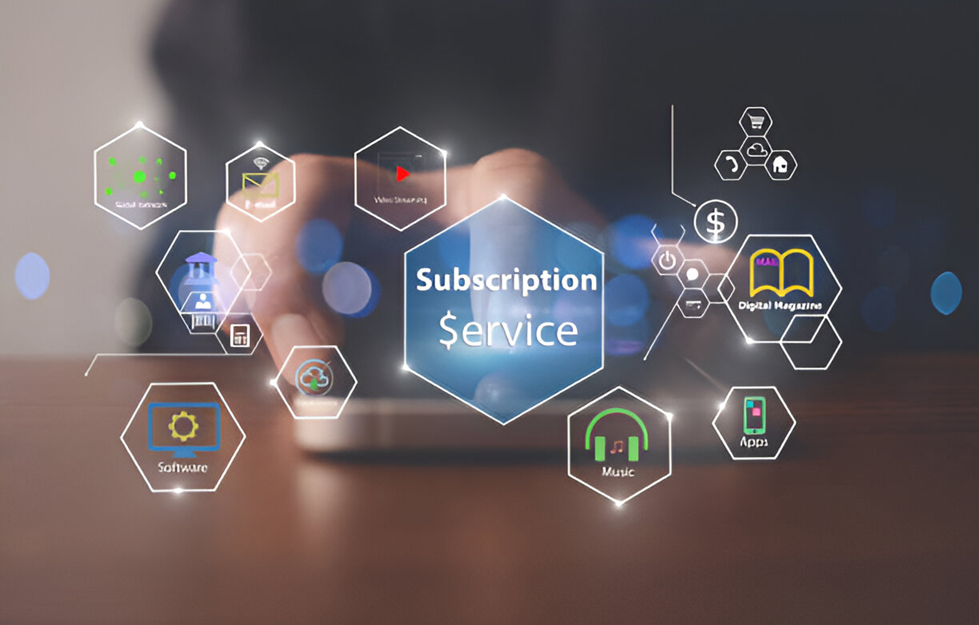
Another smart habit. Review your subscriptions: Gym memberships, streaming platforms, etc. People forget what they have signed up for. So, do a monthly audit. Then cancel subscriptions you don’t use. You can also switch to cheaper or shared plans when possible.
Finally, put your money to work. Learn the basics of investing and explore low-risk options. You don’t need to be rich to invest. You just need to start early and stay consistent.
Want real wealth-building tips that actually work? Subscribe to our YouTube channel for easy-to-follow advice. We bring podcast interviews from people who turned their finances around. So, hit subscribe and become a part of the Millionaire By Morning community.